
Why Appliance Moving Deserves Its Own Plan
Picture a Boca Raton homeowner a week out from moving day. The boxes are mostly packed, the furniture is wrapped, and everything feels under control until they walk into the kitchen and laundry room and realize the refrigerator, washer, dryer, dishwasher, and range still need to come out the door. Unlike a sofa or a stack of boxes, these items are heavy, awkward, full of moving parts, and often connected to water lines, gas lines, or electrical outlets. Appliance moving Boca Raton residents attempt on their own often turns into the most stressful part of the entire relocation. This article walks through how to prepare, protect, and transport large appliances safely, whether you are moving across town or across the state, and why so many households ultimately bring in professional help for this part of the job.
What Makes Appliances Different From Ordinary Furniture
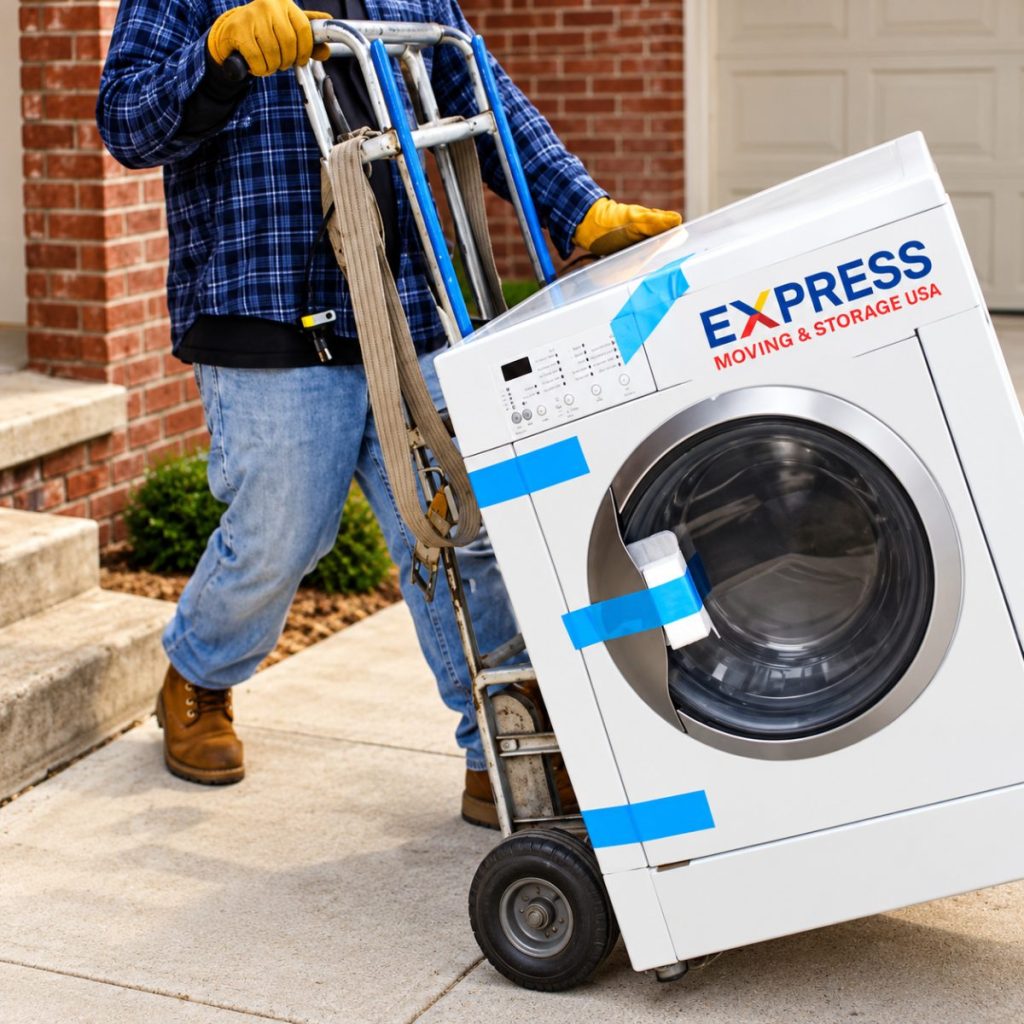
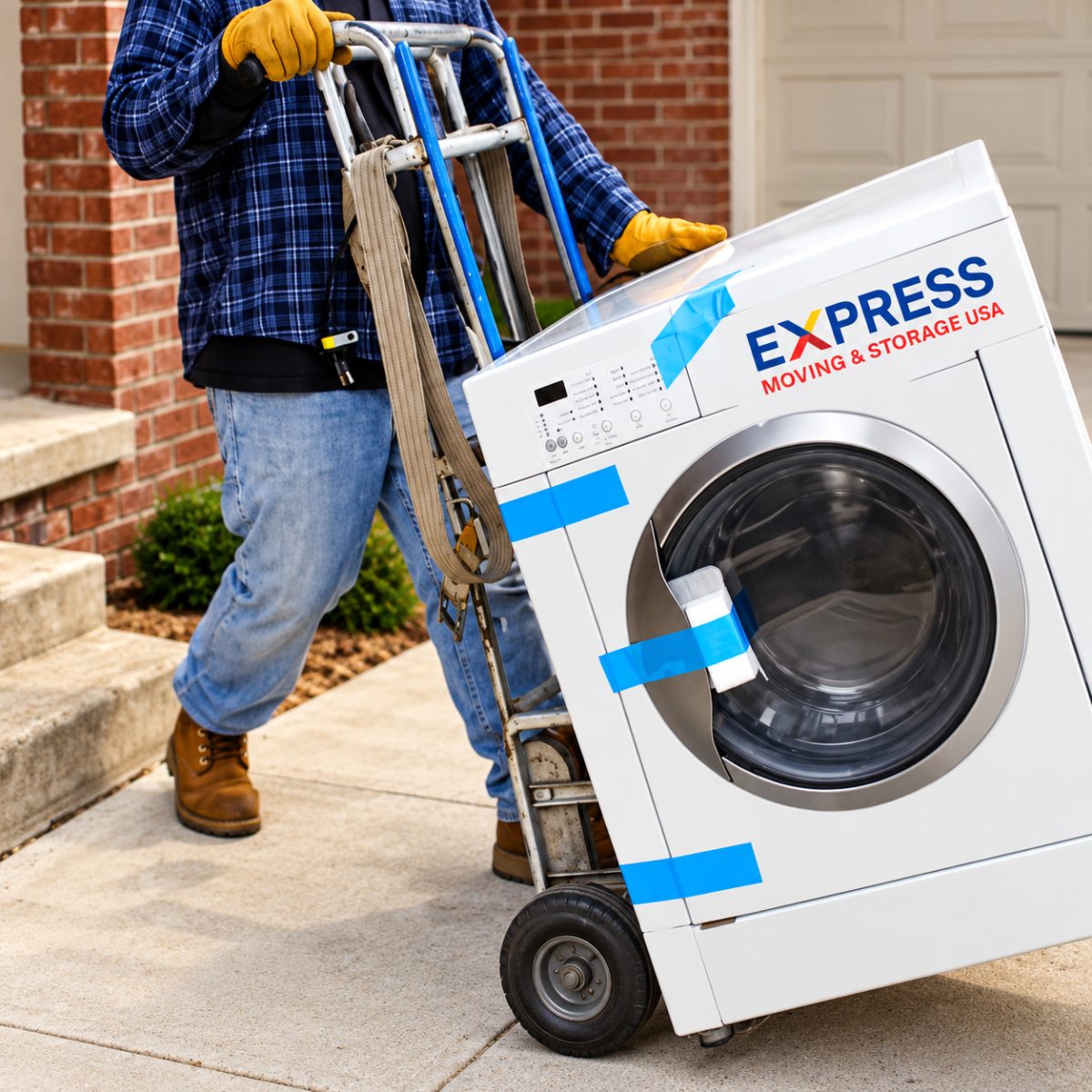
A dresser or dining table is bulky, but appliances add layers of complexity. A standard refrigerator can weigh between two hundred and four hundred pounds, and larger models weigh even more. Washers and dryers are top heavy and can shift internally during transport if not secured. Dishwashers and ranges have sharp edges, glass components, or exposed wiring that need padding and careful handling. Beyond the weight itself, appliances have to travel through tight hallways, narrow doorways, staircases, and sometimes elevators, which means measurements matter just as much as muscle. Floors and walls are also at risk. Dragging a heavy appliance across tile or hardwood without protection can scratch or crack flooring, and misjudging a doorway width can lead to dented walls or damaged appliance panels. This is why moving large appliances in Boca Raton typically requires appliance dollies, furniture straps, moving blankets, and a team that knows how to distribute weight properly during lifts and turns.
Preparing Appliances Before Moving Day
How do you prepare a refrigerator for moving? Start by emptying and cleaning it, then defrosting the freezer at least 24 hours in advance so no water leaks during transport. Doors should be secured shut with tape or rope, and any loose shelves or bins should be removed or packed separately to prevent rattling or breakage. Should appliances be emptied before movers arrive? Yes. Washers should be run through a drain cycle and hoses disconnected and drained, dryers should be unplugged and vent hoses removed, and dishwashers should be dried out and have their racks secured. Ranges and ovens need gas or electrical lines disconnected, which is not something homeowners should attempt without the right experience. Can movers disconnect appliances? Many moving companies offer basic disconnect and reconnect assistance for certain appliances, but gas lines and complex electrical work may require a licensed technician. It is worth discussing your specific appliances with your moving company ahead of time so everyone understands what is included and what may need a specialist.
Moving Appliances in Boca Raton Condos and Apartments
Do Boca Raton condo buildings have moving requirements? Many do. Condo and apartment communities throughout Boca Raton and surrounding South Florida areas often require advance elevator reservations, specific move-in and move-out time windows, and proof of insurance before a move can begin. Loading areas may be limited, parking for moving trucks may need to be arranged in advance, and some HOAs require written notice or a certificate of insurance from the moving company. Doorway and hallway widths should be measured ahead of time, since older buildings sometimes have narrower entry points than expected. Scheduling early, ideally a few weeks before the move, gives you time to confirm building rules and avoid last minute surprises on moving day.
Common Mistakes When Moving Appliances Without Help
What is the safest way to move heavy appliances? It starts with avoiding the most common mistakes people make when moving appliances on their own. Lifting without an appliance dolly or proper straps puts both the mover and the appliance at risk. Tilting a refrigerator too far or laying it on its side can damage the compressor. Failing to secure doors often leads to them swinging open mid-move, which can cause dropped items or injury. Many people also underestimate how heavy appliances truly are until they are halfway through a doorway, which can lead to rushed, unsafe movements. Floors and walls take a hit too, since dragging or bumping appliances without padding frequently causes scuffs, dents, or cracked tile. Can movers move a washer and dryer safely without this kind of damage? With the right equipment and technique, yes, which is exactly why professional appliance movers exist as a distinct part of the moving process.
Why Professional Appliance Movers Make the Difference
Is professional appliance moving worth it? For most households, the answer comes down to protecting both the appliance and the home. Professional movers bring appliance dollies, furniture pads, straps, and door locks designed specifically for refrigerators, washers, dryers, dishwashers, and ranges. They know how long a refrigerator should sit after being moved before it is plugged in, typically a few hours to allow refrigerant to settle, which helps prevent compressor damage. They understand how to navigate stairs, tight turns, and elevators without scraping walls or floors, and they know how to load appliances securely in the truck so they do not shift during transport. For long distance or local moving services Boca Raton families rely on, having a team that treats appliance relocation South Florida wide as a specialized task rather than an afterthought can mean the difference between a smooth move and a costly repair bill.
Plan Ahead for a Smoother Appliance Move
Large appliances are some of the heaviest, most delicate, and most logistically challenging items in any move. From defrosting a freezer to measuring a condo doorway to securing a washer drum for transport, appliance moving Boca Raton homeowners and renters take seriously tends to go far more smoothly than moves handled on the fly. Taking the time to prepare appliances properly, understand your building's requirements, and decide whether you need professional disconnect help can protect both your belongings and your home. Whether you are relocating within Boca Raton or heading elsewhere in South Florida, thinking through the details in advance sets the stage for a stress free move.
Frequently Asked Questions
How do you prepare a refrigerator for moving?
Empty and clean the interior, defrost the freezer at least a day ahead, remove loose shelves and bins, and secure the doors shut before moving day so nothing shifts or leaks during transport.
Can movers move a washer and dryer, and can they disconnect appliances?
Yes, professional movers commonly handle washers and dryers and can assist with basic disconnects, though gas lines or complex electrical connections may need a licensed technician depending on the setup.
How long should a refrigerator sit after being moved before it's plugged in?
It is generally recommended to let a refrigerator sit upright for a few hours after moving before turning it on, which allows refrigerant and internal components to settle and helps prevent compressor damage.
Get Help With Your Boca Raton Appliance Move
Planning a move with large appliances? Contact Express Moving & Storage for a free moving quote and let our team know which appliances and specialty items need to be included in your Boca Raton move.